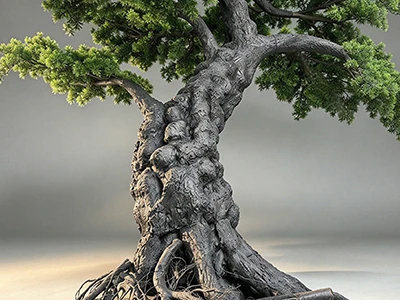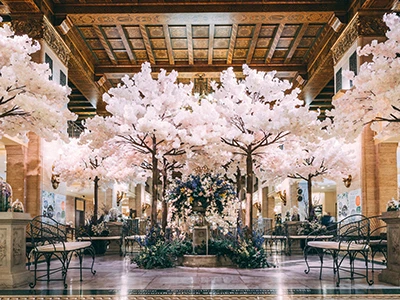
The desktop tree adopts a miniaturized and modular design, maintaining a simple overall appearance while optimizing the internal structure and functional layout. The product typically uses lightweight materials as its main structure, coupled with a stable base design, making it more stable on a desktop. Its size is kept within a suitable range for use in small spaces such as office desks and study desks, without taking up too much desktop space, and is also easy to move and store.
In terms of functional design, the desktop tree emphasizes low power consumption, low noise, and stable operation. Some products incorporate functions such as lighting, humidification, air purification, or intelligent control, achieving switching between different modes through internal electronic components and control modules. The control method is relatively simple, allowing users to adjust it according to their actual usage environment, meeting basic functional needs while also ensuring convenience for daily use.
From a user experience perspective, the desktop tree emphasizes stability during long-term placement and continuous use. The product requires reasonable design in terms of structural connections, circuit layout, and heat dissipation to reduce the possibility of loosening, overheating, or performance degradation during long-term operation. At the same time, a certain harmony is maintained between appearance and function, making it suitable for various scenarios such as office, study, and home use, serving both as a desktop decoration and fulfilling practical functions.